What Does 100 Feet Look Like? 11 Amazing Real Life Comparisons
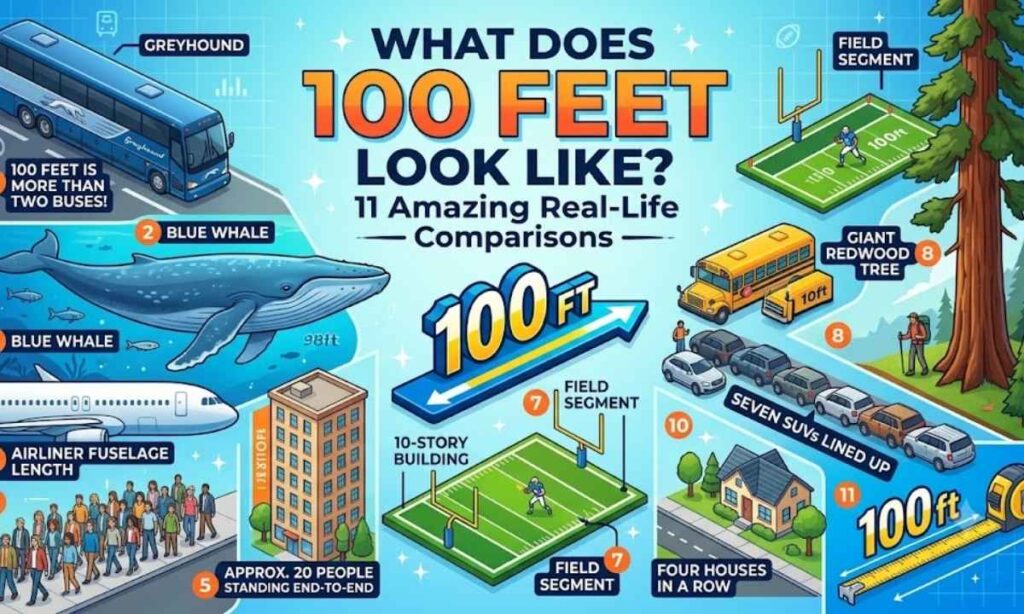
Ever stood somewhere and thought “how far is that really?” You are not alone. Most of us are pretty bad at guessing distance estimation just by looking.
That is exactly why this guide exists. We are going to answer how long is 100 feet using things you already know. Planes, trucks, whales, and even a bowling lane are all on the list.
How Long Is 100 Feet? (The Quick Reference)
Let’s just answer it right away. 100 feet equals about 30.5 meters, 33.3 yards, and 1200 inches. That is the fast measurement conversion if you need numbers only.
In plain terms, 100 feet is roughly the length of two and a half school buses parked end to end. It is also close to one third of a football field. Once you picture those, the number starts to feel real instead of just a figure on a page.
For feet to meters, always multiply by 0.3048. For feet to yards, just divide by three. These two conversions cover most everyday measurement conversion needs.
The “Rule of Thumb” Estimates
Here is a trick people use for quick spatial estimation. An average adult’s human walking pace covers about 2.5 feet per stride. So 100 feet is roughly 40 steps for most adults.
Another shortcut uses human stride length. Count out loud as you walk in a straight line. By the time you hit 40 steps, you have covered almost exactly 100 feet.
Why 100 Feet Is Hard to Visualize
Our brains are not great with big open spaces. We judge distance better with walls, doors, and furniture nearby. Take those away, like on a field or a beach, and our guesses get shaky fast.
This is why length comparison with familiar objects works so well. A number alone does not stick in memory. A picture of a school bus or a whale does. That is part of why construction planning and urban planning always lean on real object comparisons.
The Wingspan of a Boeing 727 100

Airplanes are a great visual reference for big numbers. The Boeing 727 wingspan measures about 108 feet across. That is just slightly more than our 100 foot mark.
Picture standing at one wingtip and looking toward the other. You would barely see the far tip clearly from that distance. This single example shows how far 100 feet actually stretches, and that wingspan makes a solid mental ruler for anything else on this list.
The 100 Feet Aerial Fire Truck Ladder
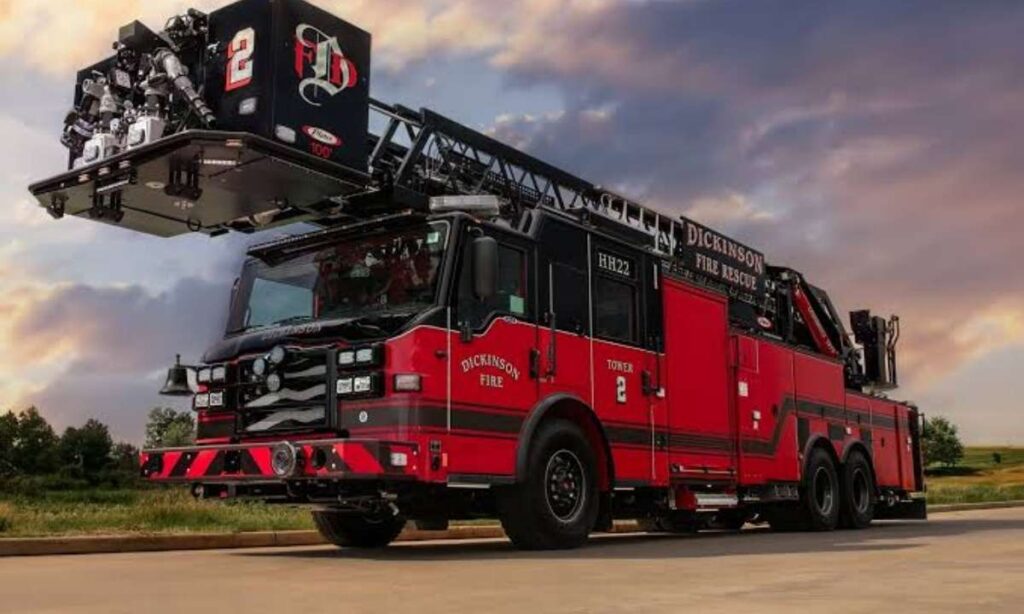
Fire departments rely on serious height to reach tall buildings. The aerial fire truck ladder on many trucks extends up to 100 feet. That height lets crews reach roughly a 10 story building in an emergency.
Picture a ladder standing straight up from the street. It would tower past most houses and even many apartment blocks. That is the kind of reach firefighters need for real rescues, and it gives us a rare vertical visual reference since most of our other examples measure length across the ground instead.
One Third of an American Football Field

Sports fields are one of the easiest object dimensions to picture. An American football field measures 300 feet from end zone to end zone. So 100 feet covers exactly one third of that total football field length.
Think of the distance from one end zone to the 33 yard line. That stretch alone equals our 100 foot target. Fans watching from the stands can spot this zone without much effort, and the image sticks whether you play the sport or just watch on weekends.
The Width of an 8 Lane Highway
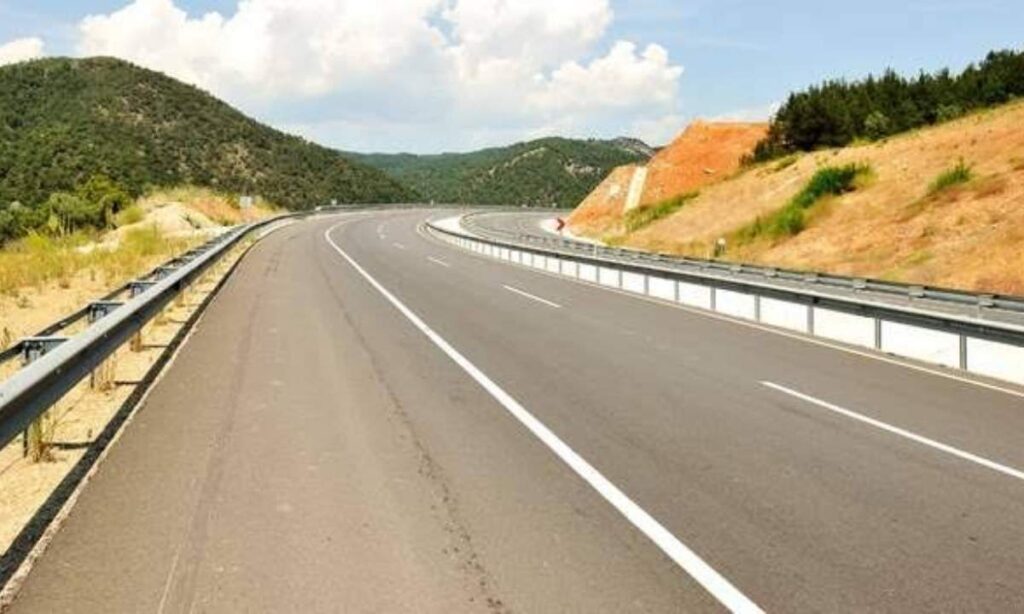
Highways are built wide for a reason. An eight lane highway, counting shoulders and medians, often spans close to 100 feet across. That includes every lane, the shoulder space, and the dividing strip in the middle.
Picture standing at one edge and looking toward the far shoulder. Cars zipping by on eight lanes would fill that entire gap. It puts our number into a scene most drivers see every single day, and engineers use these same figures during city planning and construction planning for bridge sizes and traffic flow.
The Eastern Cottonwood Tree
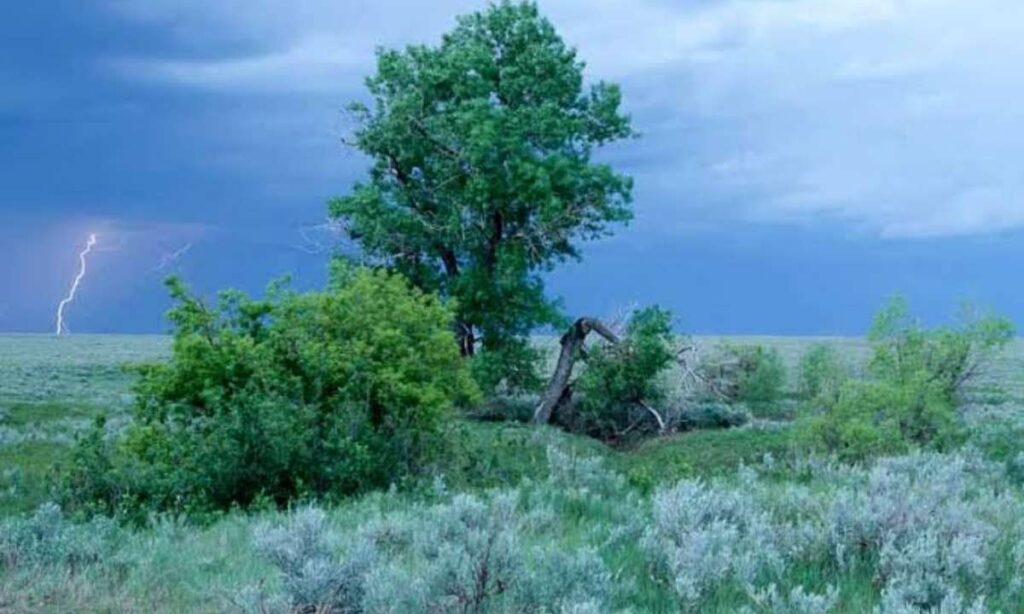
Nature has its own giants worth noting. The Eastern Cottonwood tree can grow past 100 feet tall in the right conditions. These trees are some of the tallest hardwoods found across North America.
Picture a tree trunk stretching past a 10 story building. Its branches would spread wide enough to shade a small yard completely. That is the kind of scale these trees reach over decades of growth, since cottonwoods grow faster than most other hardwood trees given enough water and sunlight.
The Blue Whale

Ocean life offers one of the most jaw dropping comparisons on this list. A full grown Blue Whale length can reach close to 100 feet from nose to tail. That makes it the largest animal known to have ever lived on Earth.
Picture a creature stretching the same distance as one third of a football field. Now picture that creature swimming, not standing still on land. It is genuinely hard to wrap your head around until you see it drawn to scale, and whenever people search for real life examples of 100 feet, whales usually make the list.
The Hollywood Sign

Landmarks give us a fun cultural visual reference. The famous Hollywood Sign stretches nearly 350 feet across the hillside in total. 100 feet covers a little more than a quarter of that entire iconic stretch.
Picture standing below just three or four letters of the sign. That chunk alone equals our target distance. It shows how one landmark can hold multiple length lessons in a single view, and that kind of familiarity is exactly what makes length comparison content work so well.
Two Semi Trucks and Full Trailers

Road transport gives us another everyday example. A single semi truck with a full trailer length typically runs 70 to 80 feet long. Line up two of them nose to tail, and you pass the 100 foot mark easily.
Picture a busy highway rest stop. Two loaded trucks parked front to back would roughly match our target length. It is a scene most drivers have seen without ever measuring it themselves, and it beats lining up a compact car length sedan seven times just to hit the same mark.
The 10 Story Building

Buildings offer one of the clearest commercial building height comparisons around. Each story in a typical office building dimensions layout runs close to 10 feet tall. Stack ten of them, and you land right around our 100 foot mark.
Picture looking up at a mid size office tower downtown. Counting floors from the street gives you an instant sense of scale. It is one of the easiest ways to judge height without any tools at all, and architectural measurements like this shape real city planning and zoning decisions too.
The NBA Basketball Court
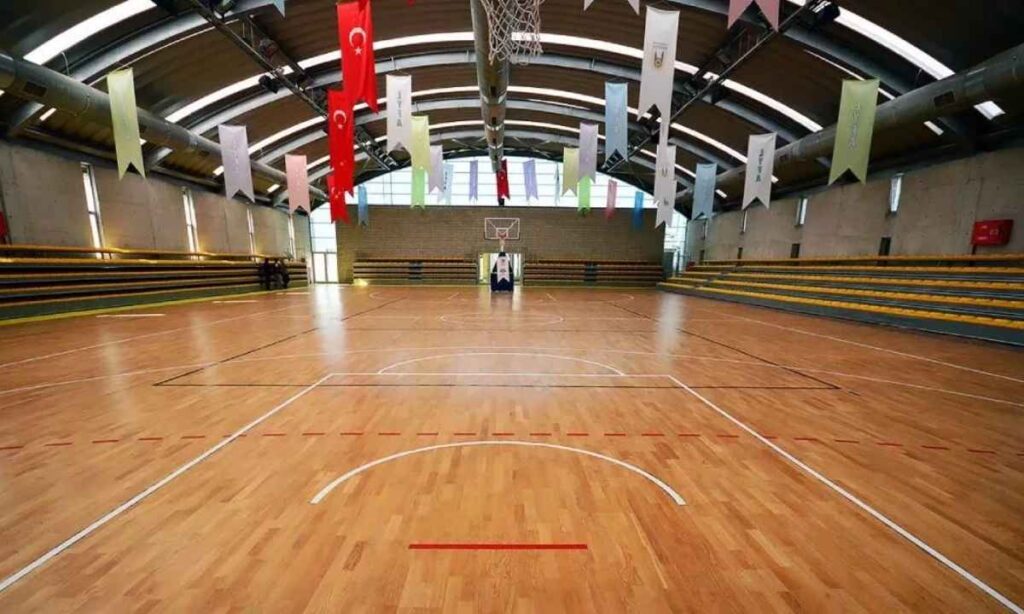
Sports courts make for a near perfect measurement chart example. An official NBA basketball court measures 94 feet from baseline to baseline. That falls just 6 feet short of our full 100 foot target.
Picture the entire court, baseline to baseline, plus a few extra steps beyond one end. That gets you to the exact 100 foot mark. Basketball fans already have this image locked into memory from every game they watch, and since basketball court dimensions are standardized worldwide, the comparison holds up everywhere.
A Standard Bowling Lane

Bowling alleys hide a surprisingly useful comparison. A bowling lane length measures 60 feet from the foul line to the head pin. Two lanes placed end to end pass our 100 foot mark with room to spare.
Picture standing at the very back of the building, behind the ball return. Looking down two full lanes gives you a real sense of the distance. It is a comparison almost nobody thinks about until it is pointed out, and once you know a lane’s exact length, you can size up almost any hallway or building.
More Everyday Ways to Spot 100 Feet
A few more familiar objects round out this measurement guide nicely. A standard school bus length runs close to 40 feet, so about two and a half of them equal our mark. An Olympic swimming pool measures 164 feet long, meaning 100 feet covers roughly two thirds of that entire pool.
A subway car length typically runs 60 to 75 feet, so one and a half cars gets you close. A train platform length at many stations stretches well past 100 feet to fit multiple cars safely. A wind turbine blade on modern turbines can reach over 100 feet on its own, spinning high above farmland and hills.
The Great Sphinx of Giza measures about 240 feet long, making 100 feet a little less than half its total length. A zipline length at many adventure parks often starts around 100 feet for beginner courses. A kayak length sits around 10 to 17 feet, so you would need roughly seven to ten of them lined up to match.
The 100 Feet Challenge Can You Beat It
Here is a fun way to test everything you just learned. Head outside and try to guess 100 feet using only your eyes. Then pace it out using the 40 step human stride length trick from earlier.
Try guessing the length of your driveway, your street, or a nearby parking lot. Compare your guess to the real number using a tape measure or a phone app. Most people are surprised by how far off their first guess actually was, and this kind of hands on practice builds real spatial estimation skill over time.
How Long Is 100ft
To put it simply, 100 feet equals 30.5 meters or 33.3 yards. It also equals 1200 inches if you are working with a smaller measurement units system. Whichever unit you use, the physical distance stays exactly the same.
This number shows up constantly in property measurement work. Homeowners checking land frontage or lot size often deal with 100 foot sections regularly. Knowing the everyday comparisons above makes those numbers far easier to picture on the spot.
How Tall Is 100 Feet
Standing straight up, 100 feet is about the height of a 10 story building. It also matches the reach of that aerial fire truck ladder mentioned earlier. Very few everyday structures reach this height, which is exactly why it feels so tall in person.
For a simpler imperial measurement comparison, picture ten single story houses stacked directly on top of each other. That stack would reach almost exactly 100 feet into the sky. It is a strange picture, but it works surprisingly well for remembering the number.
Final Thoughts
100 feet is not just a number on a tape measure. It is a football field third, a diving whale, a stretch of highway, and a ladder reaching toward a rooftop. Once you connect a number to a picture, distance estimation stops feeling like guesswork.
Next time someone asks how long 100 feet really is, you will have eleven solid answers ready. Pick whichever comparison sticks best in your mind and use it as your own personal visual reference. That is really all distance estimation ever needs, one good picture instead of a blank number.

Jaxon is a content writer and SEO specialist with 4 years of professional experience in creating engaging, research-driven articles.He specializes in simplifying complex topics into clear, reader-friendly content that improves user understanding and search visibility.