13 Common Things That Are 5 Inches Long
13 Common Things That Are 5 Inches Long
Ever tried to measure something and realized your ruler is nowhere to be found?
You are not alone.
Most people have no idea what 5 inches actually looks like in real life until they need to measure something fast.
Five inches equals 12.7 centimeters or 127 millimeters. That is a very handy size that shows up more than you think in everyday life. Once you know what real-world size examples look like at this length, you will never feel lost without a tape measure again.
This guide gives you 13 relatable, easy-to-spot objects that measure right around 5 inches. You can use these as your personal quick size reference anytime, anywhere. Let us get into it.
Understanding 5 Inches as a Length Measurement
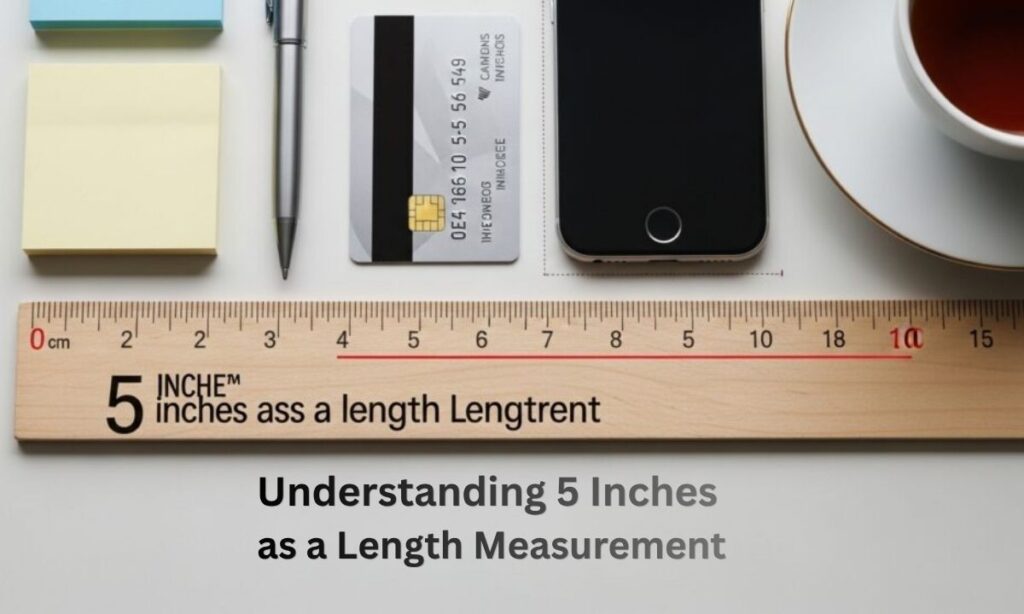
So what does 5 inches in cm actually feel like in your hand? It is not too big, not too small. It fits comfortably in your palm. Think of it as slightly shorter than your average TV remote.
5 inches in millimeters is 127mm, which sits between the size of a large phone and a small notebook. This range is why so many everyday objects measurement examples fall right in this sweet spot. Your brain will start recognizing this size naturally once you connect it to familiar things.
Building a mental size mapping habit is genuinely useful. Whether you are doing a DIY project, shopping online, or cutting fabric, knowing this length by feel saves real time. It is one of those small tricks that makes daily life surprisingly smoother.
Smartphones That Help You Visualize 5 Inches
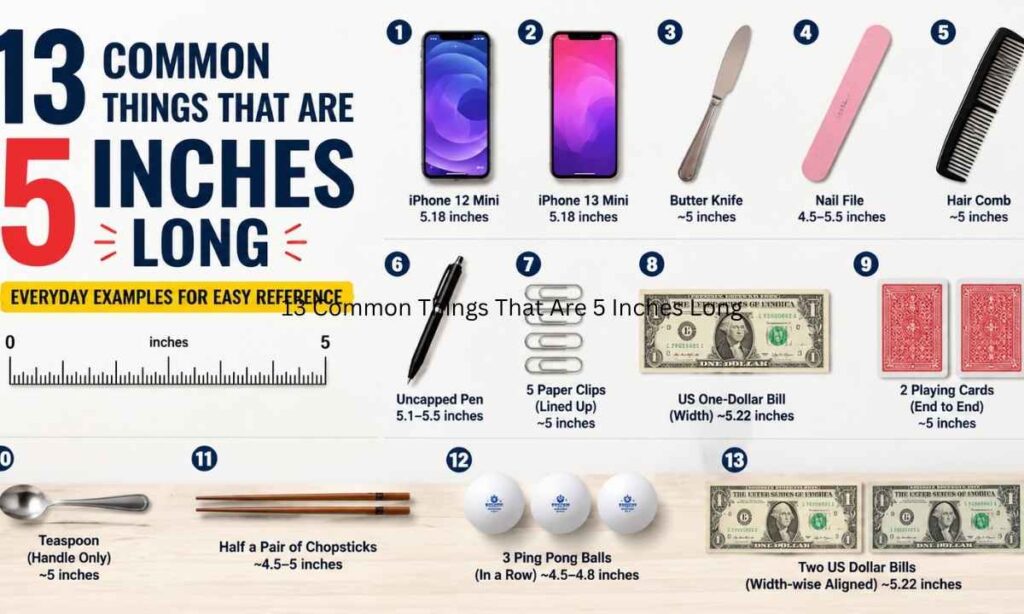
iPhone 12 Mini
The iPhone 12 Mini dimensions put it at almost exactly 5.18 inches tall. That is as close to a perfect 5 inch visual size comparison tool as you will find in your pocket. If you own one, just hold it up next to anything you want to estimate.
It became a favorite among people who wanted a compact phone that actually fits in one hand. The iPhone 12 Mini is a great daily benchmark for size estimation on the go. Next time you need a quick measurement, grab your phone first.
iPhone 13 Mini
The iPhone 13 Mini height comes in at 5.18 inches as well, nearly identical to its predecessor. Apple clearly found a sweet spot with this smartphone size comparison reference. Both minis are basically a walking ruler in your pocket.
If you do not own either, borrow a friend’s for a second. Lay it next to the object you are measuring for an instant visual measurement guide. Simple, fast, and you already carry it everywhere.
Everyday Household Objects That Are About 5 Inches
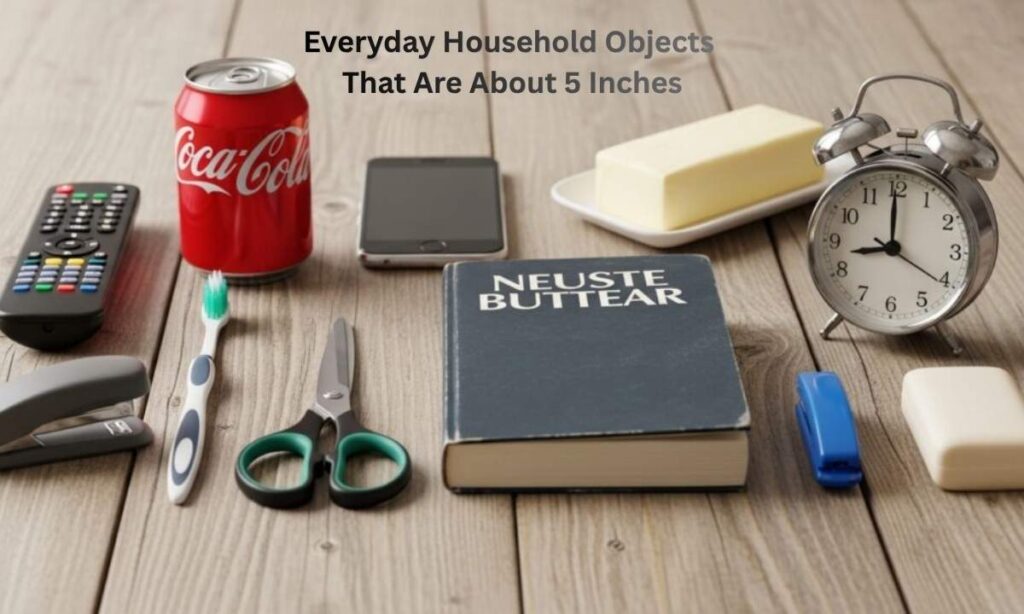
Butter Knife
A standard butter knife length is usually between 5 and 6 inches. Most dinner set butter knives land right around the 5 inch mark. Next time you are at the table, grab one and use it as a household measurement reference.
It is flat, straight, and easy to hold against things you need to measure. Works great for small object measurement when you need something quick. Chances are one is sitting in your kitchen drawer right now.
Hair Comb
Hair comb dimensions vary, but a pocket comb is almost always around 5 inches long. The kind you toss in a bag or back pocket is practically built for this length. It makes a surprisingly accurate everyday items for measuring tool.
Run the comb alongside an object and you have a decent estimate immediately. This is one of those ruler alternatives nobody talks about but everyone should know. Grab one and test it yourself.
Nail File
A standard emery board or nail file size is almost always right at 5 inches. They are designed to be easy to grip and portable, which is exactly why this size works. Keep one in your bag and you have got a reliable dimension reference on you at all times.
The rigid ones are especially accurate for quick comparisons. It is a small thing, but once you know it, you will use it constantly. Simple tools often make the best practical measurement techniques.
Soda Can
Here is a fun one. Soda can height for a standard 12oz can is about 4.8 inches. That is just a hair under 5 inches, close enough for most approximate measurements. Stand it next to what you are measuring and you will get a very accurate read.
Most people have one in their fridge right now. It is one of the most underrated common object dimensions tools available. Cold and useful at the same time.
Stationery and Currency Dimensions as 5 Inch Reference Objects
Uncapped Pen
An uncapped pen length for a standard ballpoint sits right around 5 to 5.5 inches. Remove the cap, lay it flat, and you have a ready-made measuring stick. Perfect for object size comparison when you need something precise but informal.
Most pens on your desk are close enough to give you a reliable estimate. They are straight, stiff, and easy to hold flat against surfaces. A pen is genuinely one of the best measurement benchmarks hiding in plain sight.
Paper Clips (5 Lined Up)
A single standard paper clip is about 1 inch long. Line up five of them end to end and you get exactly 5 inches. This is one of those DIY measuring methods that actually works with satisfying accuracy.
Paper clip measurement chains are perfect for tight spots where larger objects do not fit. Flexible, small, and available in every office or home drawer. Five clips equals five inches. Easy math, great result.
US One-Dollar Bill (Width)
The playing card dimensions trick is popular, but the width of a US dollar bill is actually 2.61 inches. Two of them side by side give you roughly 5.22 inches, which is close enough for most uses. This works great as a visual size comparison tool when you need a flat reference.
Dollar bills are everywhere, and most people keep a few on them.
They lie flat, they are consistent, and they are universal.
Smart money on being a handy measuring tool.
Standard Playing Cards (2 Cards)
A single playing card is about 2.5 inches wide and 3.5 inches tall. Place two cards side by side widthwise and you land right at 5 inches. Playing card dimensions make these a surprisingly accurate everyday objects measurement reference.
They are rigid, flat, and perfectly uniform in size.
Card players, magicians, and DIY folks already know this trick.
Now you do too.
Kitchen Tools and Dining Utensils
Teaspoon (Handle Only)
The teaspoon handle length on a standard kitchen spoon is right around 4.5 to 5 inches. Measure just the handle, not the bowl end, and you are spot on for your 5 inch benchmark. Every kitchen has one, making this one of the easiest household objects around 5 inches to use.
It is a straight, solid, and familiar object most people never think to measure with.
Once you do, you will realize how often it comes in handy.
Your cutlery drawer is basically a measurement kit waiting to be used.
Chopsticks (Half Length)
Standard chopsticks are about 10 inches long. Halfway down a chopstick is almost exactly 5 inches. The chopstick length comparison trick works perfectly when you need a longer visual split in half.
Hold your finger at the midpoint and use the top half as your guide. It is a clever little crafting measurement guide trick for anyone working with small dimensions. Sushi nights just got a bonus skill attached.
Table Tennis Equipment and Small Spheres
Ping Pong Balls (3 Balls)
A single ping pong ball diameter is about 1.57 inches. Three of them lined up in a row gives you roughly 4.7 inches, which is very close to 5. This is one of the more fun visual measurement guide tricks on the list.
It works especially well on flat surfaces where you can roll them into a straight line. Kids love this method, and honestly it is hard not to smile doing it. Who knew table tennis could double as a size estimation tool?
Hand Measurement Method: Your Body as a Ruler
Your hand is the most portable measuring tool you will ever own.
For most adults, the width of four fingers held together is roughly 3 inches.
Add your thumb and you get close to 5 inches depending on your hand size.
This hand measurement method is used by tailors, carpenters, and crafters worldwide. It is not perfectly accurate, but for quick approximate measurements, it gets the job done. Calibrate it once against a ruler and you will have a built-in measuring tool for life.
5 Inches Compared to Common Objects in Crafting and Model Building
Crafters and model builders think in inches constantly. A 5 inch length comes up when cutting ribbon, foam sheets, balsa wood, and fabric strips. Knowing your crafting measurement guide references saves countless trips back to the tape measure.
Many miniature model parts, doll accessories, and scrapbook elements fall right in the 5 inch range.
Having a go-to reference object makes the whole process faster and more precise.
Keep a nail file or butter knife in your craft kit for instant comparisons.
How to Measure 5 Inches Without a Ruler
No ruler? No problem. Use any of the objects from this list as your ruler alternatives and you are covered. A butter knife, a phone, a nail file, five paper clips. All within reach right now.
The key to measuring without a ruler accurately is picking objects you have personally verified against a real ruler at least once. After that, your mental size mapping kicks in and you stop second-guessing yourself. Trust the process and practice it a few times.
For tighter precision, combine two reference objects. For example, two playing cards side by side give you 5 inches almost exactly. That kind of layered reference builds serious measurement accuracy over time.
Why Building a Mental 5 Inch Size Comparison Guide Matters
Most measurement mistakes happen because people guess without a reference point. A solid mental size mapping habit fixes that instantly. You stop eyeballing and start estimating with real confidence.
Online shopping is where this skill pays off the most. Product photos lie. Dimensions in listings do not. Knowing what 5 inches in centimeters and real objects look like stops you from buying things that are way smaller or bigger than expected.
This skill also comes up in home improvement, gifting, cooking, and crafting constantly. The more you practice connecting measurements to real-world size examples, the sharper your eye gets. It is a genuinely useful life skill that takes about five minutes to build.
Conclusion
Five inches shows up everywhere once you start looking.
Your phone, your pen, your butter knife, your nail file. All right there.
You do not need a ruler to measure confidently when you know your references.
Pick two or three items from this list that you always have nearby. Test them against a ruler once, then commit them to memory. That is your personal visual size comparison toolkit built and ready to go.
Got a favorite everyday object that measures around 5 inches?
Drop it in the comments and help someone else build their reference list too.

Jaxon is a content writer and SEO specialist with 4 years of professional experience in creating engaging, research-driven articles.He specializes in simplifying complex topics into clear, reader-friendly content that improves user understanding and search visibility.