1 Inch Explained: 7 Everyday Size Comparisons
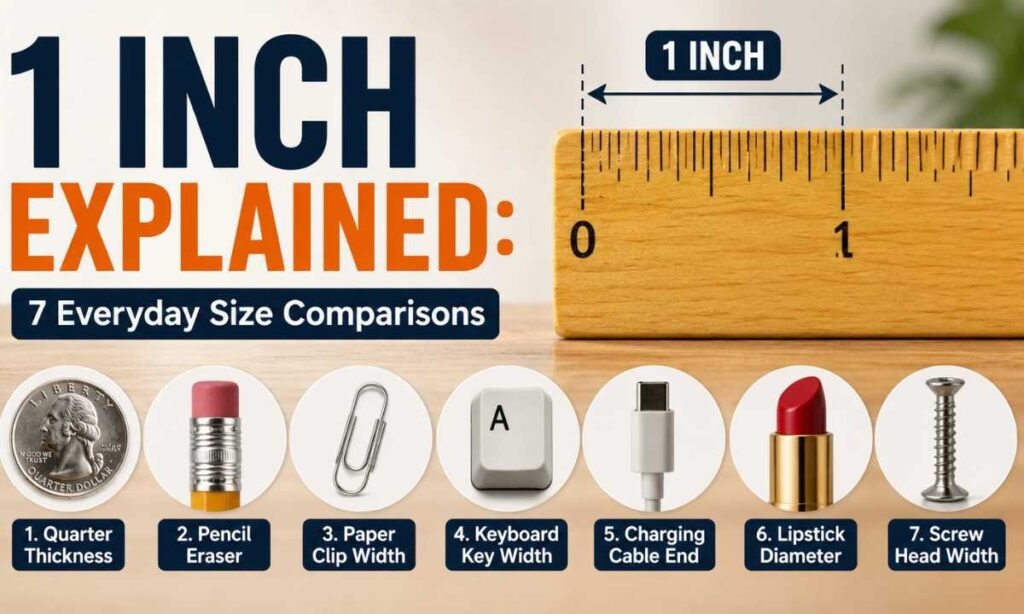
You look at a ruler and see the number 1 inch and your brain just goes blank. Is that big? Small? Like a coin or like a phone? You are not alone. Most people cannot picture 1 inch without something in their hand to compare it to.
This guide fixes that fast. We will walk through simple 1 inch reference objects you already own or see every day. By the end you will be able to spot objects that are 1 inch long without ever pulling out a tape measure.
How Long is 1 Inch? Quick Conversions
1 inch equals 2.54 centimeters, or 25.4 millimeters if you want the exact number. That is the short answer if someone asks how big is 1 inch and you need it fast.
For anyone doing inches to centimeters or inches to millimeters math, just remember that one simple number, 2.54. Multiply your inches by 2.54 and you get centimeters every single time. It works for school projects, sewing patterns, or figuring out furniture sizes online.
This little metric conversion trick saves you from constant Googling. Keep 2.54 in your back pocket like a cheat code for measuring anything in a hurry.
7 Everyday Objects That Visualize How Long Is 1 Inch
Numbers on a screen do not always click. What clicks is holding something familiar and saying, oh that is exactly 1 inch.
Below are seven common household items and everyday things that measure close to 1 inch. Think of this as your personal size comparison chart, minus the boring chart part.
1. Standard Cabinet Knob (Face Diameter)
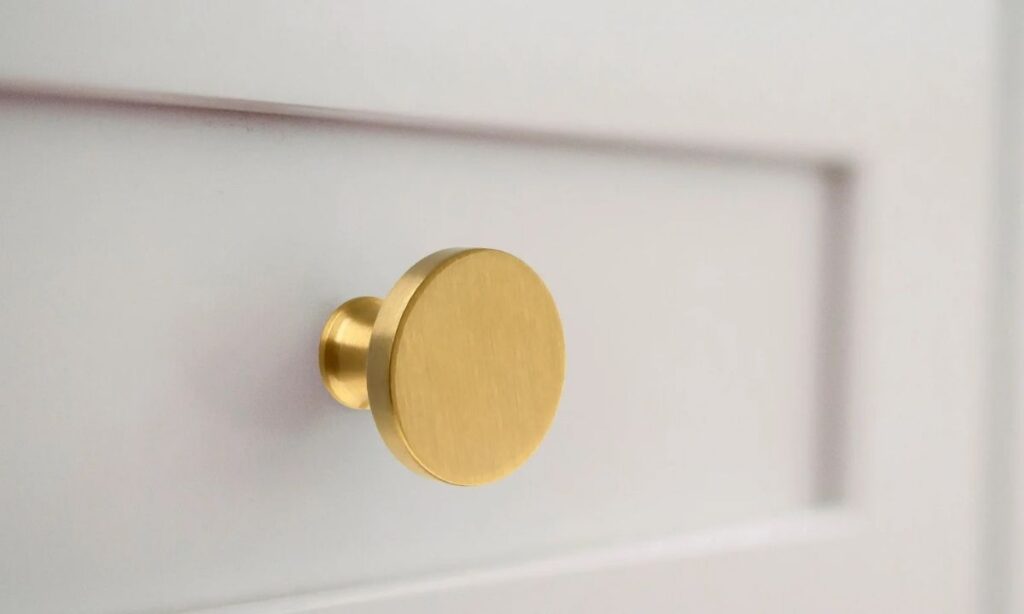
Walk into your kitchen and look at the knobs on your cabinets. A standard cabinet knob usually has a face diameter of about 1 inch.
This is one of the easiest hardware measurements to check since almost every home has one. Next time you are shopping for a home improvement project, you will already know the size in your hand before you even read the label.
2. Medium Binder Clip (Mouth Width)
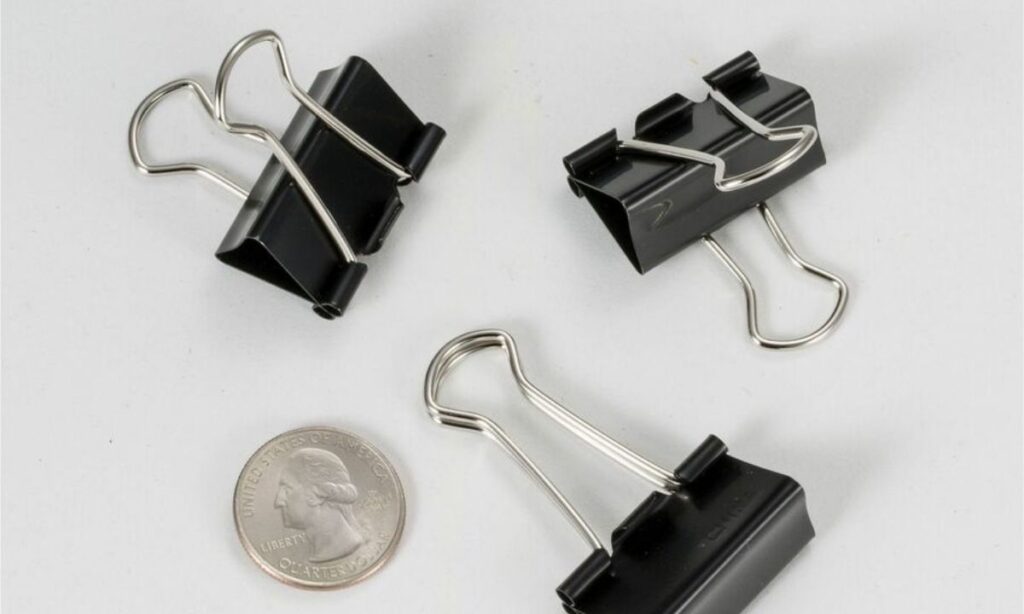
Dig through your desk drawer and find a medium binder clip. The mouth width, meaning how wide it opens, sits right around 1 inch.
It is one of those office supply measurements nobody thinks about until they need it. Binder clips are everywhere, so this comparison sticks in your memory fast.
3. CPU Thermal Paste Application Line
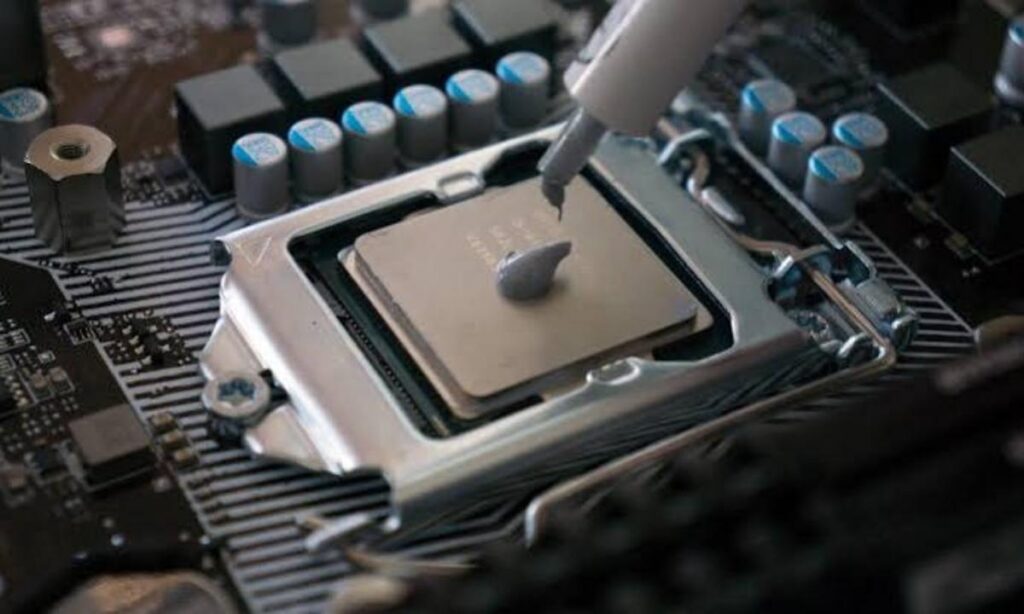
If you have ever built or upgraded a computer, you know this one. A proper CPU thermal paste line, the little bead you squeeze onto the processor, is roughly 1 inch long.
Tech folks use this trick constantly since it is more reliable than eyeballing a random blob. It is a small but handy measurement reference for anyone who tinkers with computers.
4. The Natural “Pinch” Width

Pinch your thumb and index finger together like you are holding a tiny pinch of salt. The gap between your fingertips, right before they touch, is close to 1 inch.
This finger measurement trick is one of the oldest ruler alternative tricks around. Chefs, gardeners, and crafters use it constantly without even thinking about it.
5. Large Watch Band (Lug Width)

Look at a chunky men’s watch, the kind with a wide face. The watch band width at the lugs, where the band meets the case, often measures about 1 inch.
This is a useful hand size reference point if you are shopping for watches online and cannot try them on first. Knowing this saves you from ordering something that looks huge in photos but feels tiny on your wrist, or the other way around.
6. Coquina Seashell (Width)
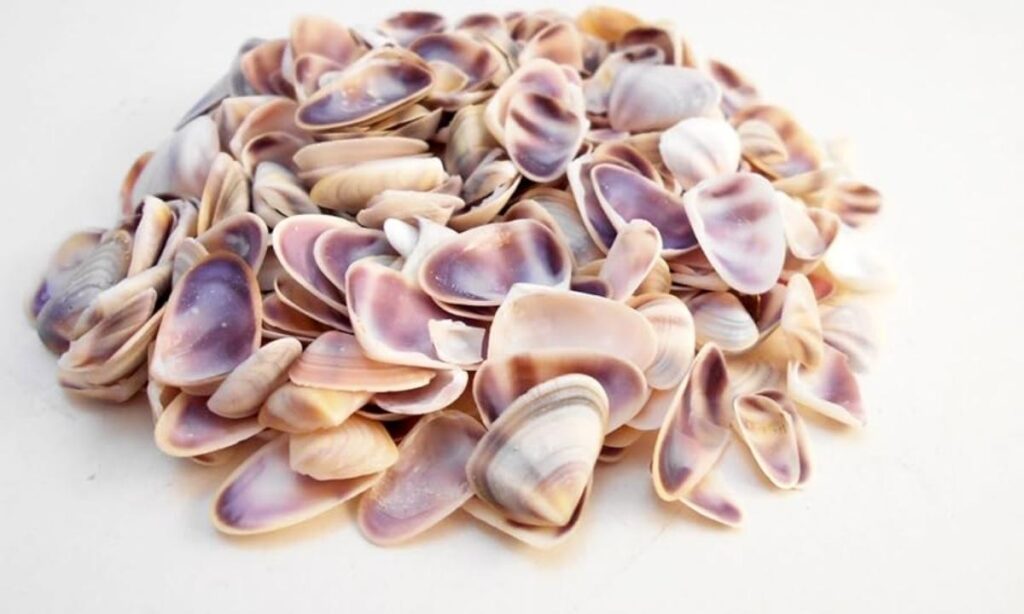
If you have ever walked a beach and picked up tiny colorful shells, you have probably held a coquina seashell. These little shells typically measure close to 1 inch across.
It is a fun, natural object dimensions example that beach lovers already know by feel. Kids especially love this comparison since they collect these shells constantly.
7. Blue Jay Egg (Length)

Bird watchers will recognize this one right away. A blue jay egg measures approximately 1 inch in length, sometimes just a touch longer.
This gives nature fans a real-world size comparison that connects measurement to something alive and beautiful. Next spring, if you spot a nest, you will know exactly what size those eggs are without guessing.
How to Picture 1 Inch Without a Ruler
Sometimes you just need a ruler alternative on the spot, no tools, no apps. The trick is training your brain to use your own body as a quick size reference.
Your thumb, from the tip to the first knuckle, is close to 1 inch for most adults. This makes it one of the easiest DIY measuring tips since your thumb travels with you everywhere.
Combine that with objects like a binder clip or cabinet knob and you have a mental visual measurement guide that never runs out of batteries. The more you practice comparing things, the faster your brain locks in the size automatically.
1 Inch Big Compared to Similar Sizes
People often confuse 1 inch with sizes just above or below it, so a little context helps. Half an inch is roughly the width of a sewing bobbin, while two inches gets closer to a gym locker padlock.
A square mosaic tile often measures around 1 inch per side, which makes it a great side by side example for comparing flat surfaces. Meanwhile, a key ring diameter usually lands a bit smaller, closer to three quarters of an inch.
Seeing these sizes lined up together turns confusing numbers into something your eyes can actually judge. This kind of imperial measurement comparison is exactly what a good inch conversion chart should give you, just in plain words instead of tiny print.
Why Knowing 1 Inch Matters in Real Life
This is not just trivia for a quiz night. Understanding 1 inch dimensions helps with everything from hanging a picture frame to buying the right size screw.
Contractors, crafters, and even parents measuring a kid’s height gain in a school project all lean on quick measurement examples like this. Once you have a few solid 1 inch reference objects memorized, guessing turns into knowing.
That confidence saves time, saves money, and stops you from returning the wrong size item for the third time this year.
1 Inch in Cooking and Crafts
Recipes love throwing around size instructions like cut into 1 inch cubes without ever explaining what that actually looks like. Now you know a construction staple is close to that length, so picture your veggie chunks about that size.
Crafters run into the same problem with 1 inch squares for quilting or scrapbooking. Using the medium binder clip or square mosaic tile trick from earlier makes cutting fabric or paper way less stressful.
Once you have a couple of practical measurement examples memorized, following any recipe or craft pattern gets a whole lot smoother.
Common Mistakes People Make When Estimating 1 Inch
The biggest mistake is trusting your eyes on a screen, since photos rarely show true scale. Always compare to a familiar objects by size list like the one above instead of guessing from a picture alone.
Another common slip up is confusing centimeters and inches when reading foreign product labels. Remembering that 1 inch is bigger than 1 centimeter, not smaller, avoids a lot of ordering mistakes.
Finally, people forget that fingers vary in size from person to person. Your thumb width might be a touch bigger or smaller than the average, so it helps to double check once with an actual ruler and calibrate your own personal estimate measurements trick.
Frequently Asked Questions About 1 Inch
How big is 1 inch compared to a coin? A 1 inch length is close to the diameter of a US quarter, which measures just under an inch across. This makes coins another handy quick size reference if you happen to have change in your pocket.
What household item is exactly 1 inch? A standard cabinet knob and a medium binder clip are two of the most reliable common household items that land right around 1 inch. Both are easy to find without digging through a toolbox.
Is 1 inch bigger than 1 centimeter? Yes, 1 inch is bigger than 1 centimeter. Since 1 inch equals 2.54 centimeters, it is more than double the length of a single centimeter.
How can I measure 1 inch without a ruler? Use your thumb from the tip to the first knuckle, since that is close to 1 inch for most adults. You can also compare against a coquina seashell, watch band width, or square mosaic tile for a quick visual check.
Object Size Visualization Chart
Here is a simple size comparison chart in words, listing items from smallest to largest near the 1 inch mark.
- Key ring diameter, slightly under 1 inch
- Sewing bobbin width, close to half an inch
- Coquina seashell, right around 1 inch
- Blue jay egg, right around 1 inch
- Standard cabinet knob, right around 1 inch
- Square mosaic tile, right around 1 inch
- Gym locker padlock, closer to 2 inches
Keeping a mental list like this turns any object size visualization task into something quick and almost automatic. Once these examples are locked into memory, you stop needing an app or a tape measure for rough estimates.
Conclusion
1 inch does not have to feel like an abstract number anymore. From a standard cabinet knob to a tiny blue jay egg, you now have real, touchable examples living in your everyday world.
Next time someone asks what does 1 inch look like, you will not just tell them, you will show them with something sitting right on your desk or in your kitchen drawer. That is the whole point of a good everyday size guide, turning confusing numbers into things you can actually picture, measure, and trust.

Jaxon is a content writer and SEO specialist with 4 years of professional experience in creating engaging, research-driven articles.He specializes in simplifying complex topics into clear, reader-friendly content that improves user understanding and search visibility.